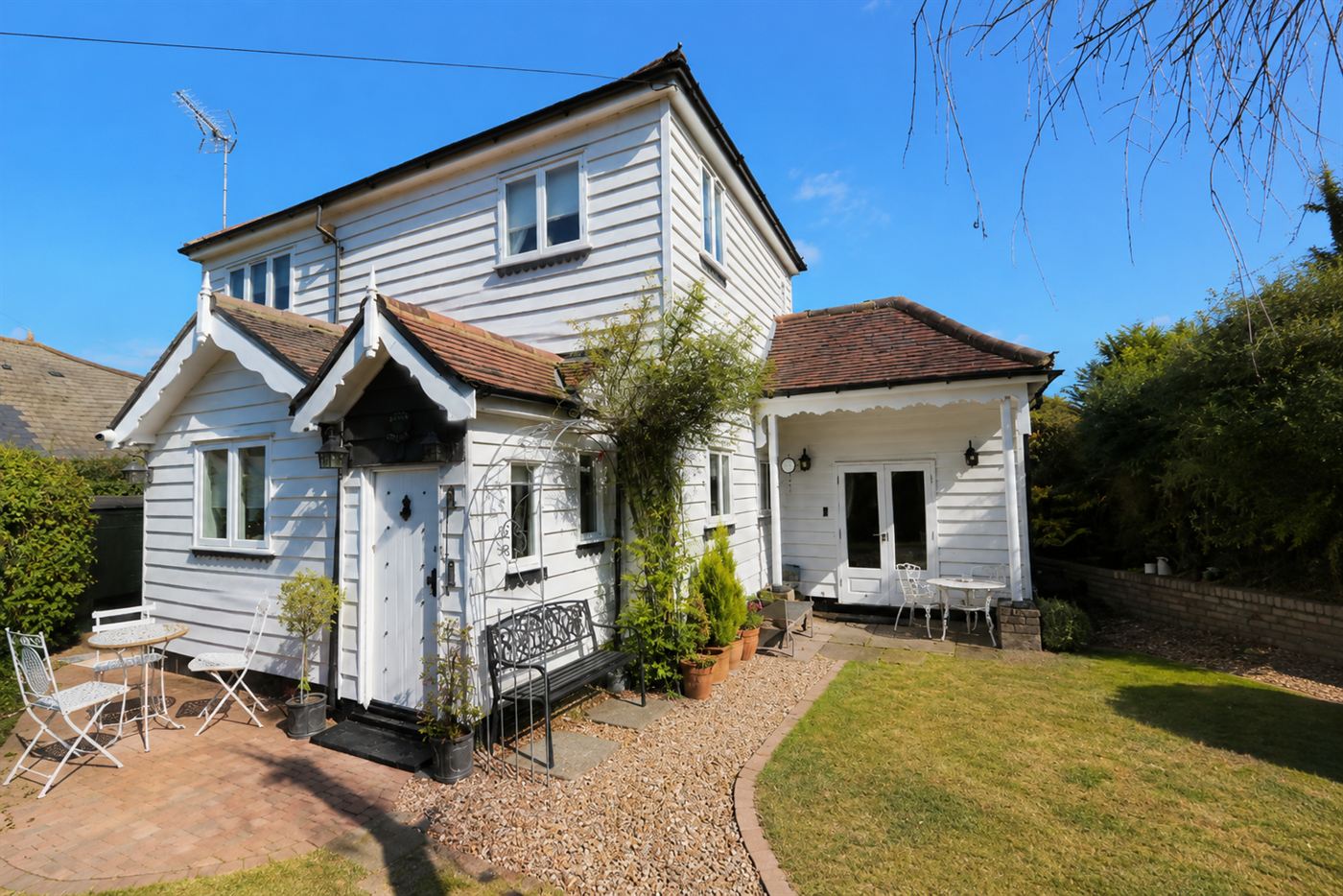
Chigwell, Essex — security property
A first-time buyer identified a detached cottage in Chigwell offering excellent value — but non-standard construction, a gifted equity deposit and a tight deadline meant most lenders wouldn't consider it. AF Credit structured a no valuation bridging loan using a desktop valuation only. Purchase completed in 15 days.
Chigwell, Essex — security property
First-time buyer, non-standard construction property, gifted equity from family, and light refurbishment planned immediately post-purchase. Standard mortgage lenders declined. Many bridging lenders wanted a full physical valuation, adding cost and delay the timeline couldn't absorb.
AF Credit structured a no valuation bridging loan using a desktop valuation only — removing the need for a physical surveyor visit. At 57.8% LTV, the conservative loan-to-value gave the lender sufficient comfort to proceed despite the complexity of the transaction.
£356,000 bridging loan completed in 15 days. First-time buyer purchased the property, completed light refurbishment works, and is now refinancing onto a longer-term mortgage at the improved value.
Most first-time buyers expect the process to be straightforward. Find a property, apply for a mortgage, complete. In practice, a property that falls outside standard mortgage criteria — non-standard construction, uninhabitable condition, or an unusual transaction structure — can bring that process to an abrupt stop.
In this case, the borrower had identified a detached cottage in Chigwell, Essex that represented genuine value. The purchase price of £650,000 was considered competitive for the area, and the borrower intended to carry out light refurbishment works — redecoration, kitchen and bathroom upgrades — before refinancing onto a standard residential mortgage.
The transaction had several characteristics that took it outside standard mortgage lending criteria from the outset. The property was non-standard construction — a detached cottage with construction methods that typical mortgage lenders would not consider without specialist review. The borrower was purchasing for the first time, without a previous track record of property ownership. The deposit was being provided through a gifted equity arrangement with family. And a tight timeline added further pressure to source the right lending quickly.
Several lenders looked at the case and declined. Others were prepared to consider it but required a full physical inspection — adding cost, delay and uncertainty that the deal simply could not accommodate.
How We Did ItSpeed was important, but so was structure. The gifted equity arrangement needed to be properly documented. The non-standard construction needed to be assessed. And the exit — a planned refinance onto a residential mortgage — needed to be realistic and clearly defined. AF Credit assessed all of this on the day of enquiry.
| Item | Detail |
|---|---|
| Property type | Detached cottage, non-standard construction |
| Location | Chigwell, Essex |
| Purchase price | £650,000 |
| Net loan amount | £356,000 |
| Day-one LTV | 57.8% |
| Charge | First charge |
| Valuation method | Desktop valuation only — no physical inspection |
| Borrower | First-time buyer |
| Deposit source | Gifted equity from family |
| Works | Light refurbishment (borrower's own capital) |
| Exit strategy | Refinance to residential mortgage |
| Time to complete | 15 days |
First-time buyers are not automatically excluded from no valuation bridging finance. The decision is based on the overall risk profile of the transaction — the security, the loan-to-value, the exit strategy and the borrower's ability to service or repay the facility. Where these factors are strong, first-time buyer status becomes a secondary consideration.
In this case, five factors made a desktop valuation bridging loan possible for a first-time buyer:
AF Credit completed the purchase in 15 days — from the initial enquiry to keys in hand. A first-time buyer with a non-standard construction property, a gifted equity deposit and a tight timeline would have struggled to find a route to completion through standard lending channels. The desktop valuation removed both the cost and the delay of a physical inspection, and the conservative LTV gave the lender the comfort needed to proceed despite the complexity of the transaction.
The borrower is now completing light refurbishment works — redecoration, a new kitchen and bathroom — before refinancing onto a longer-term residential mortgage. With a purchase price significantly below comparable finished values in the area and a planned cosmetic improvement, the refinance exit is well-supported.
This case is a useful illustration of what no valuation bridging finance can achieve when the fundamentals are right. First-time buyer status, a gifted deposit and non-standard construction are all factors that standard lenders treat as grounds for automatic decline. A specialist lender that underwrites the actual risk — rather than applying blanket criteria — can often find a clear route where others have not.
Frequently Asked QuestionsYes. Specialist bridging lenders assess each case on its merits — primarily the security, the loan-to-value and the exit strategy. First-time buyer status can be considered where the LTV is conservative and the wider circumstances are strong. In this case, a 57.8% LTV and a gifted equity deposit from family meant the risk profile was manageable despite the borrower having no previous property ownership.
Yes. Specialist bridging lenders consider non-standard construction properties including timber frame, steel frame, concrete construction, converted cottages and other non-standard builds. A desktop valuation may be acceptable in the right circumstances — typically where the LTV is conservative, the property is in good condition and exit routes are clearly defined.
Yes. Bridging lenders can consider gifted equity arrangements — where a family member provides the deposit as a gift rather than a loan. The key requirement is transparency: the source of funds must be fully documented and the gift must be properly evidenced. The lender will also want to understand the exit strategy independently of the gifted deposit.
A desktop valuation bridging loan is a facility where the property's value is assessed remotely — by a RICS-qualified valuer using comparable sales evidence, Land Registry data and local market information — rather than by a physical inspection. It is faster and cheaper than a full valuation and can often be completed within 48–72 hours. It is appropriate where the property type, location and LTV support a remote assessment.
Where a desktop valuation is used in place of a physical inspection, completion timescales are typically 10–15 working days from instruction, depending on the complexity of the transaction. In this case, AF Credit completed in 15 days — a first-time buyer purchase on a non-standard construction property with a gifted equity arrangement.
Yes. Bridging loans can fund both the purchase and subsequent light refurbishment works. Where works are cosmetic — redecoration, new kitchen, bathroom upgrades — the lender typically advances the full loan on day one rather than staging drawdowns. Staged drawdowns against works are more common on heavier refurbishment or development projects.
Where the security, purchase price and circumstances are right, a no valuation bridging loan can significantly reduce both cost and completion time. First-time buyers, gifted deposits and non-standard construction are all considered. Speak to our team today.
Get same-day termsDisclaimer: Case study details have been anonymised to protect client confidentiality. All lending is subject to underwriting and credit approval is not guaranteed. Any property used as security may be repossessed if you do not repay your loan within the agreed term. AF Credit acts solely as a lender and does not provide financial advice.