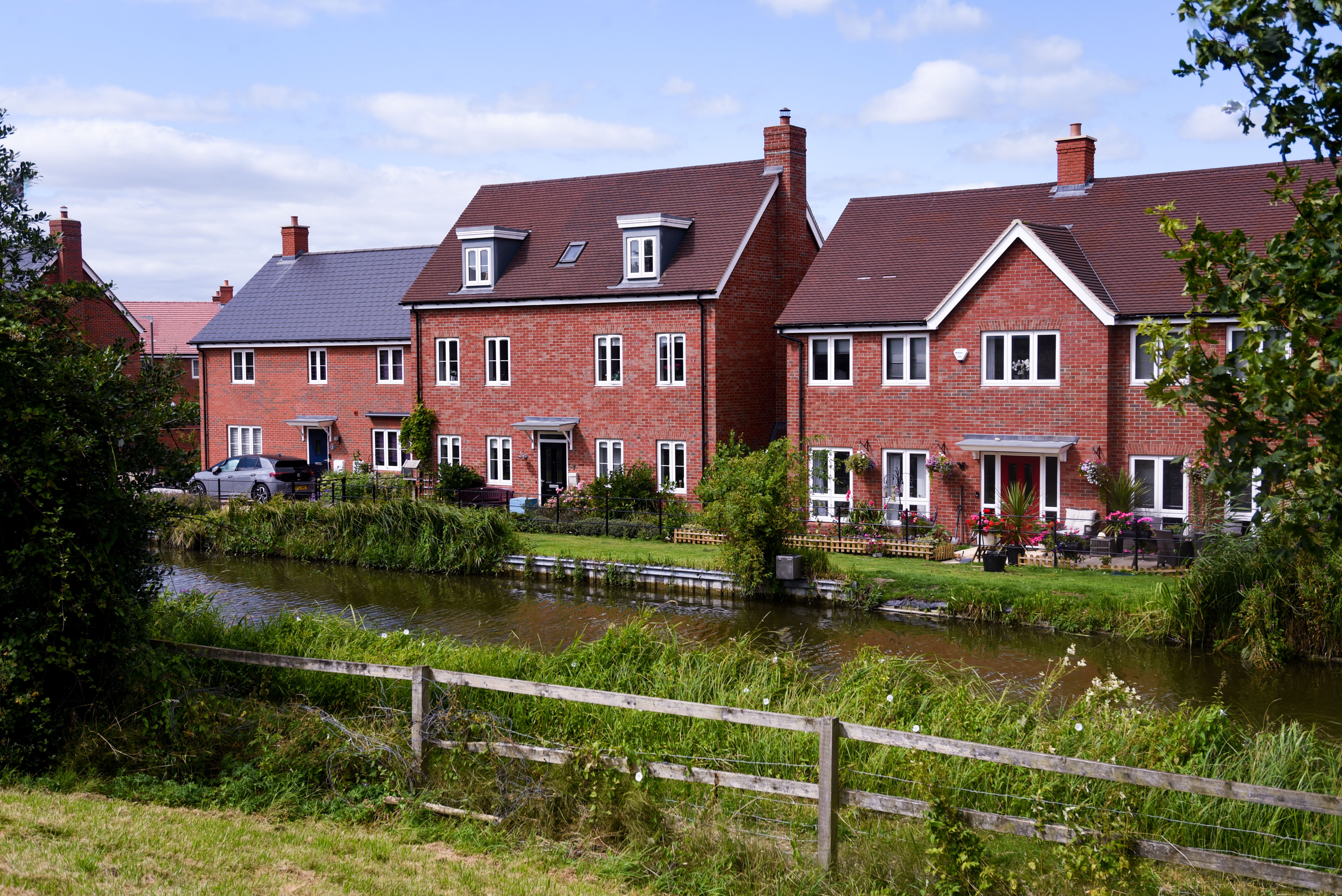
Palmers Green, North London — security property
A North London limited company needed to release capital for business purposes. The only available security was the director's personal main residence in Palmers Green, North London. AF Credit structured a third-party first charge with a desktop valuation — completing without a single visit to the property.
Palmers Green, North London — security property
A limited company borrowing against the director's personal main residence. A structure most lenders will not touch — requiring correct unregulated structuring, third-party charge documentation, independent legal advice for the director, and a desktop valuation with no site access.
AF Credit confirmed the loan as unregulated business lending, registered a third-party first charge over the director's freehold, and instructed a RICS desktop valuation. At 23.3% gross LTV the remote assessment was entirely supportable. Twelve months of interest retained — no monthly payments required.
£130,000 net delivered to the business. No surveyor visited the director's home. Director remained in occupation throughout. Company has a full 12-month runway to arrange its refinance exit with zero cash drain during the term.
Most business owners at some point reach the same position: the company needs capital, and the most obvious asset available is the director's own home. For the vast majority of lenders — high street banks, mainstream commercial lenders, most specialist bridging providers — this is a dead end. The combination of a limited company borrower and a main residence as security sits in a structural no-man's land that standard credit policies are not designed to navigate.
In this case, the borrower was a North London limited company with a clear business purpose for the funds. The director's main residence in Palmers Green, North London — a freehold detached house valued at £650,000 — was the available security. With a net loan requirement of £130,000, the LTV position was extremely conservative at 23.3% gross. The case was structurally complex, but the underlying numbers were straightforward.
The director had an additional requirement: she did not want a surveyor visiting the property. A desktop valuation — a RICS-signed remote assessment with no physical access — would be required to confirm value.
AF Credit was approached to assess whether the transaction was possible. The answer was yes — on the right legal and structural basis.
How We Did ItThe transaction had three moving parts to sequence correctly: confirming the unregulated status of the loan, arranging the third-party charge with independent legal representation for the director, and completing the desktop valuation. AF Credit managed all three simultaneously.
| Item | Detail |
|---|---|
| Borrower | Limited Company (England & Wales) |
| Guarantor | Company Director (personal guarantee) |
| Security | Director's Main Residence — Freehold Detached |
| Location | Palmers Green, North London, North London |
| Charge type | Third-Party First Legal Charge |
| Property value | £650,000 (RICS desktop valuation) |
| Net loan | £130,000 |
| Gross advance | £151,626 |
| Net LTV | 20.0% |
| Gross LTV | 23.3% |
| Monthly rate | 0.79% |
| Interest | Retained — 12 months (£16,194) |
| Monthly payment | Nil |
| Term | 12 months |
| Valuation method | Desktop (RICS) — no physical access |
| Loan purpose | Business (unregulated) |
| Exit strategy | Refinance |
Third-party charge bridging against a director's main residence is declined by most lenders at the first stage of enquiry. The reasons are understandable from a policy perspective: main residences carry regulatory associations, enforcement against someone's home is reputationally sensitive, and the legal structure requires expertise most lenders' panels are not set up to handle efficiently.
On this case, five factors made the transaction possible and appropriate:
£130,000 was released to the business within 14 working days. No surveyor visited the director's home. The third-party charge was registered without complication. The director continued in occupation of the property and faces no monthly payment obligations throughout the 12-month term — the full interest cost was retained at drawdown from the gross advance.
This case illustrates a type of transaction that is genuinely difficult to place: a limited company that needs capital, a director whose main residence is the best available security, and a need for speed without physical disruption to the property. The combination of an unregulated direct lender, third-party charge capability and desktop valuation technology made it straightforward for AF Credit where it would have been impossible for the majority of lenders.
Frequently Asked QuestionsA third-party charge is where the security property is owned by someone other than the borrower. Here the borrower was a limited company, but the security was the company director's personal main residence. The director granted a legal charge over her property to support the company's borrowing and also acted as personal guarantor. This is a well-established structure in business bridging finance and differs from a standard first charge where borrower and property owner are the same person.
Yes. A limited company can borrow using the company director's personal property as security through a third-party charge structure. The director must consent to the charge, provide a personal guarantee, and take independent legal advice before signing. AF Credit arranges separate independent legal representation for the third-party chargee on every case to ensure the director fully understands their personal exposure before any documentation is executed.
Regulated mortgage lending applies where the borrower is an individual and the loan is for personal purposes secured against a property they or their family occupies. Here the borrower is a limited company borrowing for business purposes — it is the borrower's legal status and the purpose of borrowing that determine regulatory treatment, not the nature of the security. The loan was confirmed unregulated under the Consumer Credit Act 1974 and the Financial Services and Markets Act 2000. AF Credit lends exclusively on an unregulated basis.
No. The director continues to occupy the property as their main residence throughout the loan term. A bridging charge does not require the property owner to vacate. Normal occupation continues — the property must simply be maintained and insured throughout the term and must not be allowed to deteriorate in value.
A desktop valuation is a formal property assessment carried out remotely by a qualified RICS surveyor without visiting the property. The surveyor uses Land Registry sold price data, comparable sales evidence, EPC records, planning history and street-level imagery to produce a signed valuation report. On this case it was appropriate because the property was a standard freehold detached house in a well-transacted North London postcode with strong comparable evidence, and at 23.3% gross LTV the security margin was substantial. The desktop approach meant no surveyor visited the director's home at any point.
By acting as personal guarantor and granting a third-party charge over their main residence, the director is personally exposed to the loan obligations. If the company does not repay and the exit fails, AF Credit has the right to enforce against the charged property — including, in a worst case, seeking possession and sale. This risk must be fully understood before proceeding. AF Credit ensures the director has separate independent legal representation and that all risks are explained clearly before any charge documentation is signed.
The most common exits are: the company refinancing onto a business or commercial mortgage secured against the same or another property; the director refinancing the residential property onto a standard remortgage with the company repaying from the proceeds; or sale of the security property if the company cannot otherwise repay. On this case the planned exit was a conventional refinance within the 12-month term.
Third-party charge bridging loans typically complete in 10–20 working days from formal application. The main variables are the speed of legal work and the availability of the third-party chargee for ID verification and independent legal signing. Desktop valuation on this case removed the surveyor visit delay entirely. AF Credit issues same-day indicative terms on enquiry so the process starts immediately.
AF Credit lends up to 75% gross LTV on residential security, including third-party charge structures. The exact LTV depends on the property type, condition, location, and the strength of the exit strategy. This case completed at 23.3% gross LTV — a very conservative position that comfortably supported the remote desktop valuation approach.
No. AF Credit lends exclusively on an unregulated basis across England and Wales. We do not offer regulated mortgages or consumer credit products. If a regulated product is required — for example a loan to an individual for personal purposes secured on their own home — we will refer to an FCA-authorised lender or broker on an introductory basis only.
Third-party charges, director guarantees, desktop valuations — speak to AF Credit directly. Same-day indicative terms, no committees.
Get same-day termsDisclaimer: Case study details have been anonymised to protect client confidentiality. All lending is subject to underwriting and credit approval is not guaranteed. Any property used as security may be repossessed if you do not repay your loan within the agreed term. AF Credit acts solely as a lender and does not provide financial advice.