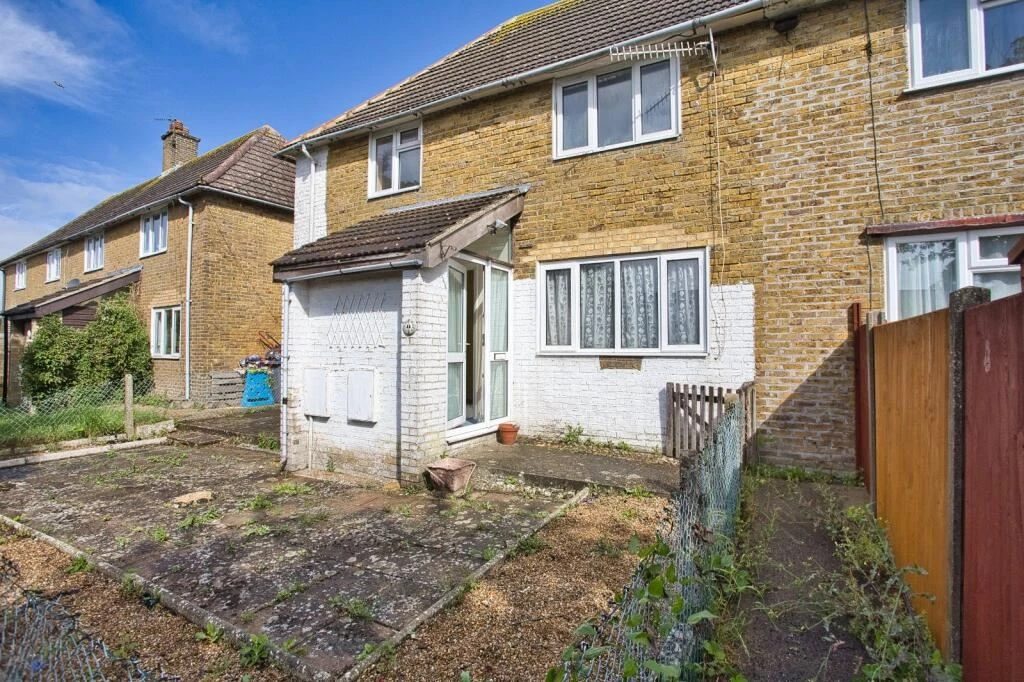
Dover, Kent — security property
A Modern Method of Auction purchase with the reservation clock already running.
A limited company reserved a semi-detached house in Dover at £160,000 and needed evidence of funding for the auction platform within a day. We issued terms the same morning and a decision in principle inside 24 hours. Then the seller's solicitor took ten weeks to answer enquiries — and the terms we quoted in July were the terms that completed in September.
Dover, Kent — security property
| Item | Detail |
|---|---|
| Transaction Type | Auction purchase — Modern Method of Auction |
| Location | Dover, Kent |
| Property Type | Semi-detached house |
| Borrower | Limited company — sole director and shareholder |
| Auction Purchase Price | £160,000 |
| Gross Facility | £120,000 |
| LTV | 75% of the auction purchase price |
| Charge | First charge, plus debenture and personal guarantee |
| Exit Fee | 0.95% of the gross loan, payable on redemption |
| Legal Structure | Dual representation — one firm acting on the finance and the purchase |
| Enquiry to Terms | Same day |
| Enquiry to DIP | Under 24 hours |
| Terms at Completion | Unchanged from those quoted in July |
| Exit Strategy | Refinance onto a term facility |
Underwritten and funded by AF Credit as principal. This case study concerns a £120,000 unregulated bridging facility secured by first charge on an investment property in Dover, Kent, advanced to a limited company. Borrower details have been anonymised.
The borrower — a limited company whose sole director is an experienced property investor — had reserved a semi-detached house in Dover through the Modern Method of Auction at £160,000. A Modern Method of Auction bridging loan has to clear one hurdle before any other: producing a decision in principle for the auction reservation inside the platform’s window.
Modern Method sales do not work like a traditional auction room, but the pressure is comparable. A non-refundable reservation fee is paid up front, the reservation period is short, and the platform expects the buyer to evidence funding almost immediately. The borrower put it plainly: he needed a decision in principle he could send to the auction platform within 24 hours.
That is where a lot of auction buyers come unstuck. A lender who says "we should be able to help" and produces a document a week later has already failed. The reservation is either evidenced on time or it is at risk, and the fee that has already been paid goes with it.
Terms went out the same morning at 75% LTV against the £160,000 auction price — a gross facility of £120,000. The decision in principle followed well inside the 24 hours the platform required.
We lent against the auction price. On an auction purchase, a competitive sale is good evidence of what the property is worth on the day, and we lend on the lower of price or valuation. Working to the figure the market had just set meant no argument about value and no delay settling one.
Dual representation. One firm acted on both the finance and the purchase. On a sale with a reservation clock, removing a second firm from the chain removes a week of duplicated review.
A limited company borrower was not an obstacle. We lend to companies and SPVs as readily as to individuals. The structure was a first charge with a debenture and a personal guarantee from the director, who took independent legal advice on the guarantee before signing — the normal, proper process rather than a hurdle.
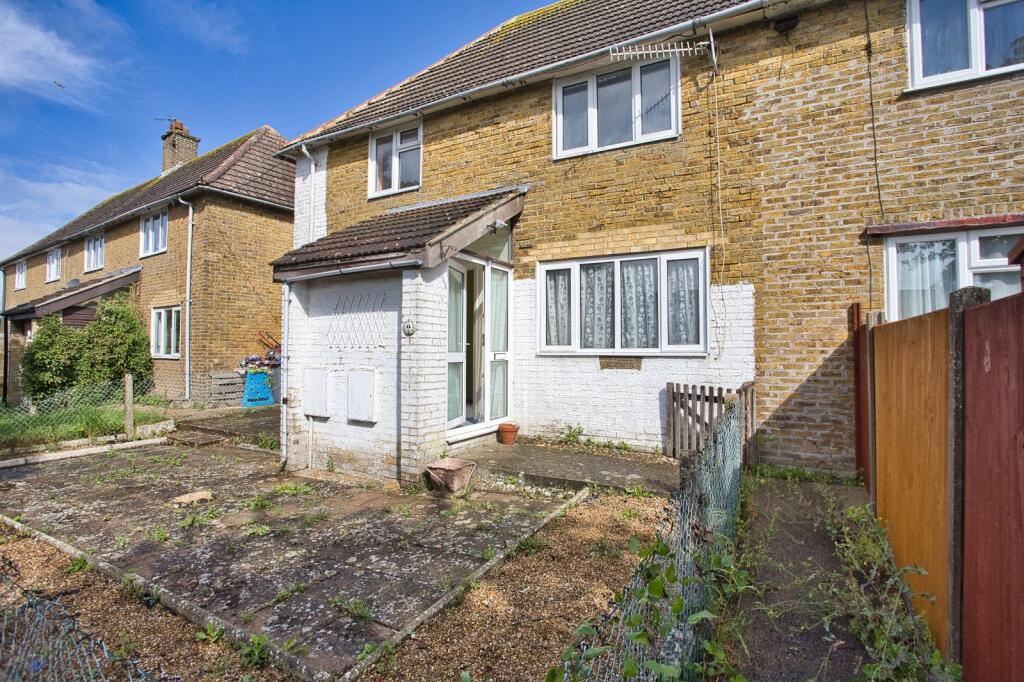
Dover, Kent — the security property
The borrower read the terms and asked us to remove the 0.95% exit fee, pointing out it would make the offer more attractive.
We said no, and explained why: on a facility of this size the economics do not support dropping it. What we did instead was fix the legal fee at £1,900 and absorb the difference ourselves, so the borrower got real money back on the deal rather than a vague promise.
That is a small exchange, but it is the one that matters. A lender who agrees to everything at terms stage and rediscovers its pricing at offer stage has cost the borrower weeks. We would rather give a straight answer in the first conversation and find value somewhere we actually can.
The funding was ready within days. The transaction was not.
The seller's solicitor took ten weeks to work through enquiries. Our solicitor chased at the end of July, again in early August, again in late August, and twice more in September. Each time the answer was the same: still waiting on the other side.
There is no clever underwriting that fixes that. What a lender can do is stay committed and drive it forward. We kept the pressure on the vendor’s solicitor for the information the deal needed, and we held our nerve and our pricing while we did it. The terms issued in July were the terms that completed in September — no repricing, no renegotiation, no withdrawal because the file had aged. The borrower never had to go back to the market and start again.
Auction buyers tend to assume the risk sits with the lender being slow. Often it sits with the other side of the transaction, and what matters then is whether your lender is still there and still at the same price when the delay finally clears.
AF Credit can issue indicative terms the same day and a written decision in principle within 24 hours where the information we need is available. Auction platforms frequently ask a buyer to evidence funding within a day or two of reservation, so a DIP that arrives a week later is of no use. Timescales depend on the individual case. See our auction bridging loans page.
Yes. AF Credit lends to limited companies and special purpose vehicles as well as individuals. On a corporate application we take a personal guarantee from the director or directors, who will usually be asked to take independent legal advice on it before signing.
AF Credit lends up to 75% loan to value, on the lower of the purchase price or the valuation. On an auction purchase the price agreed in the room is usually the relevant figure, because a competitive sale is good evidence of market value on the day. You can model the figures on our bridging loan calculator.
It is one of the most common causes of delay and it is entirely outside the buyer's control. AF Credit holds the facility and the agreed terms in place rather than repricing or withdrawing while enquiries are answered. On this Dover case the funding was ready within days and the transaction waited several weeks on replies from the seller's side.
We will be straight about what is and is not movable. On this case the borrower asked us to drop the exit fee. We explained why we could not on a facility of that size, and instead fixed the legal fee and absorbed the difference ourselves. We would rather give a clear answer and find value elsewhere than quote a figure we intend to revisit later.
Not every case needs rescuing from a planning problem or a disputed lease. Some are simply a good asset, a sensible LTV and a buyer who needs a lender to move at the speed the auction demands and then stay put. More completed transactions are set out in our bridging loan case studies.
RelatedSend us the lot and the deadline. Terms the same day, a decision in principle you can give the auction house, and pricing that does not move while the lawyers do their work.
Get an instant quoteDisclaimer: This case study reflects a real completed transaction. Client details have been anonymised to protect confidentiality. All lending is subject to underwriting and credit approval is not guaranteed. Rates and fees are set case by case and reflect complexity, security and timescale. Any property used as security may be repossessed if you do not repay your loan within the agreed term. AF Credit provides unregulated bridging finance only — loans secured on your main residence are not available. AF Credit is a trading style of Avalon Financial Limited, Company No. 16865484.